

Burnout vs. Depression: How to Tell the Difference (and What to Do Next)
- anchoranduplift
- Jan 9
- 6 min read

You're exhausted. Everything feels harder than it used to. You can't shake the feeling that something's off, but you're not sure what. Sound familiar?
If you're wondering whether what you're experiencing is burnout or depression, you're not alone. These two conditions share so many symptoms that even mental health professionals sometimes need time to sort them out. But here's the thing: getting the right answer matters. A lot.
The treatment that helps burnout might not touch depression. And the approach that works for depression could miss the mark entirely if what you're dealing with is actually work-related exhaustion.
Let's break this down in a way that actually helps.
The Big Picture Difference
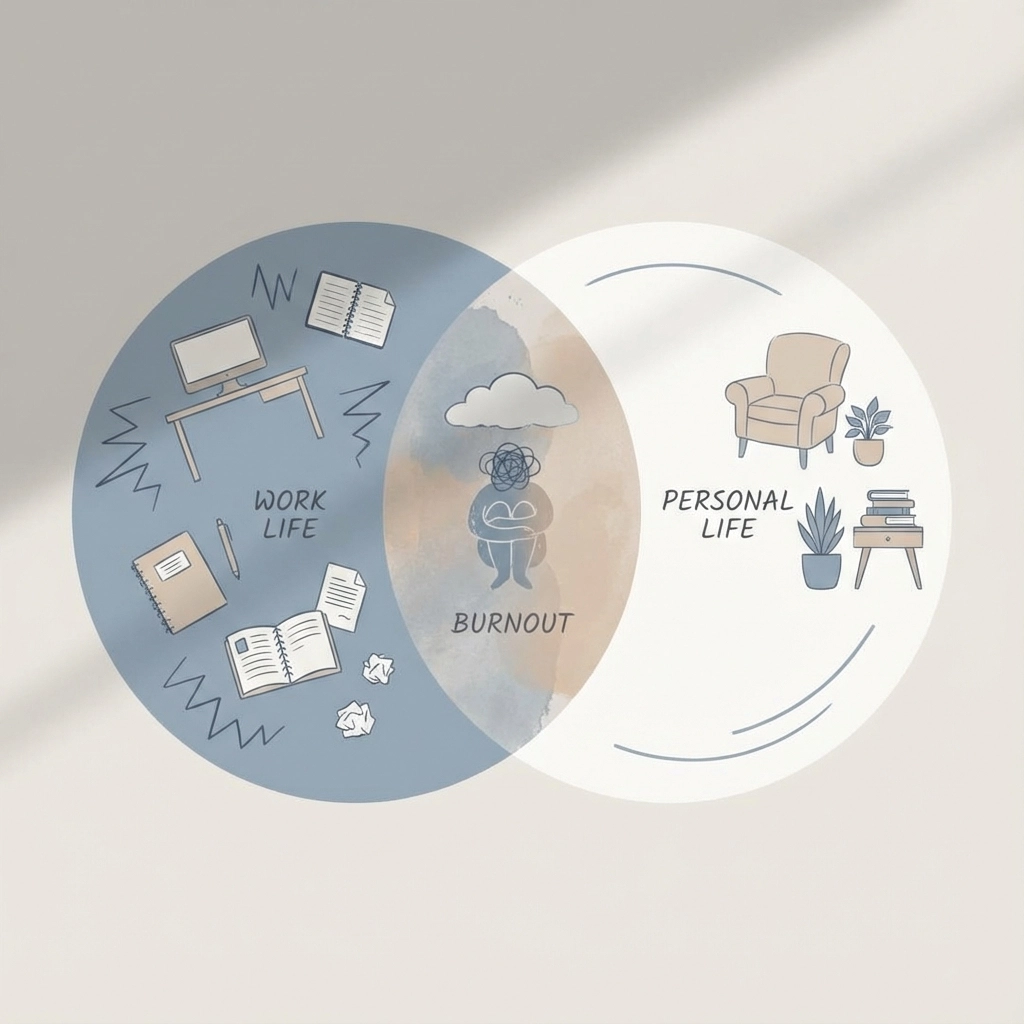
Here's the clearest way to think about burnout vs. depression: burnout is about your work life bleeding into everything else. Depression is about everything feeling heavy, period.
Burnout typically stems from chronic workplace stress or overwhelming caregiving responsibilities. It's situational. Change the situation (or give it time and rest), and burnout often improves.
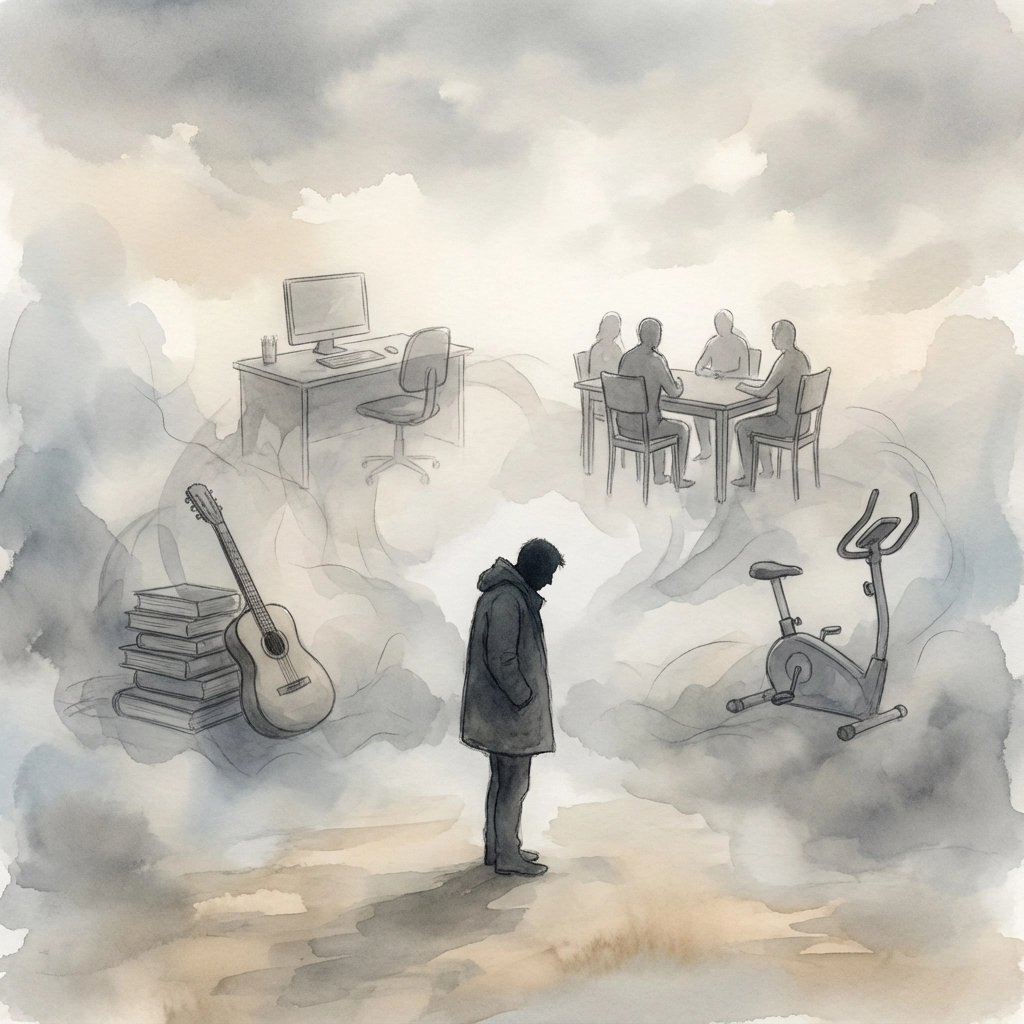
Depression, on the other hand, doesn't care about your job status. It can show up whether you love your work or hate it, whether you're unemployed or overemployed. It affects how you feel about your relationships, hobbies, self-care, basically every corner of your life.
What Burnout Actually Looks Like
Burnout has three main hallmarks that researchers have identified:
Emotional exhaustion: You feel drained, like your emotional tank is running on empty. Even small work tasks feel overwhelming.
Cynicism and detachment: You've started to feel distant from your work and coworkers. Maybe you catch yourself being more sarcastic or negative than usual. You might feel like your work doesn't matter or that you're just going through the motions.
Reduced performance: Your work quality has dropped, and you know it. You're less creative, less efficient, more prone to mistakes. It's not that you don't care, it's that you're running on fumes.
Here's what's interesting about burnout: your self-esteem usually stays relatively intact. You might feel frustrated with your performance, but you don't typically spiral into thoughts like "I'm worthless" or "I ruin everything I touch." The negative thoughts tend to stay focused on work.
Other signs that point to burnout include:
Physical symptoms like headaches, stomach issues, or muscle tension
Sleep problems (but usually because your mind races with work stress)
Irritability, especially about work-related topics
Using more sick days than usual
Dreading Monday or feeling relief only on weekends
Loss of empathy for clients, customers, or coworkers
What Depression Actually Looks Like
Depression casts a much wider net. While burnout zeroes in on work, depression touches everything.
The hallmark symptoms of depression include:
Persistent sadness or emptiness that doesn't lift
Loss of interest in activities you used to enjoy, not just work, but hobbies, social activities, sex, everything
Feelings of worthlessness, guilt, or self-criticism
Hopelessness about the future
Thoughts of death or suicide
Significant changes in appetite or weight
Sleep disturbances (sleeping too much or too little)
Fatigue that rest doesn't fix
Difficulty concentrating or making decisions

What sets depression apart is how it affects your sense of self. With depression, negative thoughts aren't just about work, they're about you as a person. You might find yourself thinking things like "I'm a burden," "Nothing will ever get better," or "I'm just not good at anything."
Depression also has a quality of persistence that burnout doesn't. Taking a vacation might give someone with burnout significant relief. Someone with depression might feel just as low on vacation as they do at work.
Where They Overlap (And Why It Gets Confusing)
Here's where things get tricky: burnout and depression share a lot of symptoms.
Both can cause:
Fatigue that feels bone-deep
Trouble concentrating
Irritability
Sleep problems
Reduced performance at work
Physical symptoms like headaches or digestive issues
Feeling overwhelmed by daily tasks
This overlap explains why so many people (and even some healthcare providers) mix them up. But pay attention to the context. With burnout, these symptoms usually connect back to work stress. With depression, they show up across all areas of life.
Can You Have Both?
Absolutely. And this is where things get especially important to understand.
Research shows that burnout can increase your risk of developing depression. When work stress goes on for months or years without relief, it can trigger broader mental health issues. Think of it like this: chronic burnout can wear down your emotional resilience, making you more vulnerable to depression.
On the flip side, if you're already dealing with depression, work stress might hit you harder and feel more overwhelming than it would otherwise.
The tricky part is that if you have both, addressing only one piece of the puzzle won't fully solve the problem. You might take a sabbatical and feel somewhat better (addressing the burnout), but still struggle with the broader symptoms of depression.
The Recovery Test
Here's a practical way to think about the difference: How do you feel during time off?
If you take a genuine break from work, a real vacation where you're not checking emails or thinking about deadlines, and you feel significantly better, that points toward burnout. People with burnout often describe feeling like themselves again during extended time off.
If you take that same break and still feel sad, hopeless, or uninterested in things you usually enjoy, that suggests depression might be in the picture.
Of course, this isn't a perfect test. Some people with severe burnout need weeks or months to recover, not just a long weekend. And some people with depression might feel temporarily better in a new environment, only to have symptoms return.
What To Do Next: The Burnout Path
If you're dealing with what looks like burnout, here's where to start:
Set boundaries. This might mean negotiating your workload, saying no to additional projects, or establishing clearer work-life separation.
Take actual time off. Not just weekends where you catch up on household tasks, but real rest time.
Address the basics. Make sure you're getting enough sleep, eating regularly, and moving your body. These fundamentals matter more when you're already stressed.
Look at your environment. Sometimes burnout signals that your job is genuinely too demanding, poorly managed, or not a good fit. That's information worth paying attention to.
Practice stress management. This might include meditation, exercise, hobbies that bring you joy, or anything else that helps you decompress.
What To Do Next: The Depression Path
If depression seems more likely, the approach shifts:
Professional support matters. Depression often responds well to therapy, medication, or both. It's not something you typically power through on your own.
Focus on small, consistent actions. When you're depressed, big changes can feel overwhelming. Start with tiny steps that you can sustain.
Stay connected. Depression often includes a strong urge to isolate. Maintaining social connections, even in small ways, can be protective.
Monitor your thoughts. Depression often includes harsh self-criticism and hopeless thinking. Learning to recognize and challenge these patterns is a key part of recovery.
Be patient with the process. Depression recovery often takes time and isn't linear. Having realistic expectations can help you stick with treatment even when progress feels slow.

When You're Not Sure
If you're reading this and thinking, "I still can't tell which one I'm dealing with," that's completely normal. Even mental health professionals sometimes need several sessions to make this distinction clear.
The most important thing you can do is reach out for professional support. A trained therapist can help you sort through your symptoms, identify patterns, and develop a treatment plan that actually addresses what you're experiencing.
This is especially important because misdiagnosing yourself can lead to trying solutions that don't match your actual problem. Someone with depression might spend months trying to fix their work situation when they really need clinical treatment. Someone with burnout might jump into therapy focused on depression when what they really need is better boundaries and stress management.
Getting Professional Help
At Anchor & Uplift, we understand how overwhelming it can feel when you're not sure what you're dealing with. Our online therapy platform makes it easier to get the professional support you need without adding the stress of commuting to appointments.
Our experienced therapists are trained to help you identify whether you're experiencing burnout, depression, or both: and more importantly, to develop a treatment plan that actually addresses your specific situation. We work with individuals dealing with work stress, depression, anxiety, and the complex ways these issues often intertwine.
Because we're a self-pay practice, we can focus entirely on what you need without insurance restrictions dictating your treatment. Our online format means you can access quality mental health care from the comfort of your own space, on a schedule that works with your life.
The Bottom Line
Whether you're dealing with burnout, depression, or both, you don't have to figure it out alone. The fact that you're asking these questions and looking for answers shows that you're already taking an important step toward feeling better.
Remember: getting the right diagnosis isn't just about labels. It's about getting the right kind of help so you can start feeling like yourself again.
If you're ready to sort through what you're experiencing with professional support, reach out to schedule a consultation. Sometimes the biggest step toward feeling better is simply starting the conversation.
Comments